Recovering Safely After Winter Slips and Falls
Winter can be beautiful, but it can also be unforgiving. One moment you are walking confidently down an icy sidewalk, and the next, you are on the ground wondering what just happened. Slips and falls during winter happen fast, often leaving people shaken, sore, and unsure of what to do next. Even a fall that seems minor at first can lead to lingering pain if it is ignored. Knowing how to recover safely can make a big difference in how well your body heals and how quickly you return to normal life.
Why Winter Falls Are So Common
Snow, ice, freezing rain, and uneven surfaces turn everyday walkways into hazards. Add bulky winter boots and reduced daylight, and balance becomes harder than we expect. Many people fall while walking to their car, shovelling snow, or stepping off a curb that was hidden by snow or ice.
Winter falls often affect:
The wrists and hands when people try to catch themselves
The hips and tailbone from landing awkwardly
The knees and ankles from twisting during the slip
The neck and back from sudden impact
These injuries may not always feel severe right away, but symptoms can show up hours or days later.
What to Do Right After a Fall
The moments after a slip and fall are important. Staying calm and checking your body can help prevent further injury.
If you fall:
Take a moment before standing up
Notice sharp pain, dizziness, or numbness
Avoid rushing back into activity if something feels off
If pain increases later that day or the next morning, it is a sign that your body needs support. Early care often leads to better recovery and less long-term discomfort.
Why Professional Care Can Help
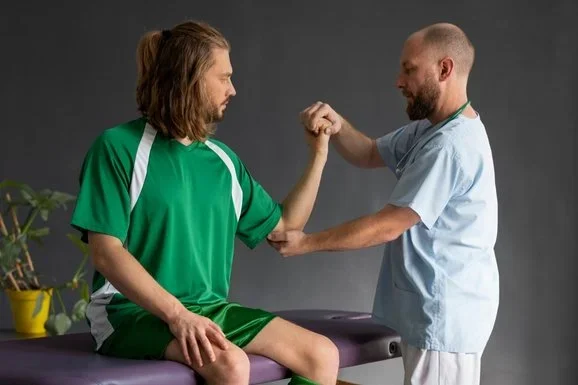
Many winter fall injuries involve muscles, joints, and soft tissues. These areas heal best when they are guided through safe movement rather than complete rest. Seeking care at a rehabilitation centre in Winnipeg can help identify the real source of pain and create a plan that supports healing.
Rehabilitation focuses on:
Reducing pain and stiffness
Restoring movement and balance
Preventing compensation patterns that cause new pain
Supporting confidence when returning to daily activities
This approach is helpful for people of all activity levels, not just athletes.
Active Recovery Instead of Just Rest
It is common to think rest alone will fix everything, but too much rest can slow recovery. Gentle, guided movement helps circulation, joint health, and muscle strength. The key is doing the right movements at the right time.
A care plan may include:
Controlled stretching to reduce tightness
Strength exercises for stability
Balance training to reduce the risk of another fall
Education on safe movement in winter conditions
These strategies help the body heal while staying active in a safe way.
The Role of Athletic Therapy
Athletic therapy is not only for sports injuries. It is very effective for slips and falls because it focuses on functional movement and injury recovery. Athletic therapy in Winnipeg often helps people regain confidence with walking, stairs, and daily tasks after a fall.
Athletic therapists commonly work on:
Joint stability after awkward landings
Muscle strains from sudden slips
Movement patterns affected by pain or fear
Gradual return to work or physical activity
This hands-on and exercise-based care supports both healing and prevention.
How Physiotherapy Supports Healing
Physiotherapy is another key part of recovery after winter falls. Physiotherapy in Winnipeg helps restore movement and reduce pain using a mix of manual care, exercises, and education.
Physiotherapy can help with:
Neck and back pain after sudden impact
Knee or ankle injuries from twisting
Stiffness that develops days after the fall
Improving strength and flexibility
Physiotherapists guide recovery at a pace that matches each person’s comfort and needs, helping prevent small injuries from becoming long-term problems.
Preventing Future Winter Falls
Recovery is also a chance to reduce the risk of falling again. Improving balance, strength, and awareness goes a long way in winter safety.
Helpful prevention tips include:
Wearing footwear with good grip
Taking shorter steps on icy surfaces
Keeping hands free while walking
Practising balance and strength exercises
These small habits can build confidence and stability during winter months.
Find Support for Your Recovery at United Therapies Rehab Centre
Slips and falls can feel frustrating and unsettling, especially when they interrupt daily life. With the right care and support, recovery does not have to be slow or overwhelming. Active, guided rehabilitation helps people move better, feel stronger, and return to winter activities with more confidence. Winter may bring icy conditions, but it does not have to bring lasting pain. Taking recovery seriously and choosing the right support can help you feel steady on your feet again, both this season and beyond.
At United Therapies Rehab Centre, we support people through every stage of recovery after winter slips and falls. Our team works together to provide personalized, active-based care that focuses on restoring movement, reducing pain, and helping our clients return to daily life with confidence. We take the time to listen, educate, and guide each person through a treatment plan built around their goals.
If a winter fall has slowed you down, reach out to us and let our team help you move forward with comfort and confidence.